Understanding what really happens inside the body after vasectomy
A vasectomy prevents sperm from travelling through the reproductive system, but it does not stop the body from producing sperm. Many people assume sperm production simply ends after the procedure, when in reality the body continues functioning normally, with only one part of the pathway being interrupted.
So, where does sperm go after a vasectomy exactly? In this blog, we explain how sperm is normally made, what changes after the vas deferens is blocked and how the body naturally manages sperm after vasectomy in a safe and completely normal way.
How Sperm Normally Travels Through the Body
Before understanding what happens after a vasectomy, it helps to understand how sperm normally moves through the male reproductive system. The process is continuous and well organised, allowing sperm to develop, mature and travel through a defined pathway.
Where Sperm Is Made
Sperm is produced inside the testicles within tiny coiled structures known as seminiferous tubules. These structures constantly create new sperm cells throughout adult life, meaning production does not switch on and off depending on sexual activity. Once created, sperm begins a gradual development process that prepares it for movement and function.
The Journey Before Vasectomy
After forming in the testicles, sperm moves into the epididymis, where it matures and is stored. From there, it travels through the vas deferens toward the urethra, where it mixes with seminal fluid produced by other glands to form semen. During ejaculation, this mixture exits the body as part of normal reproductive function.

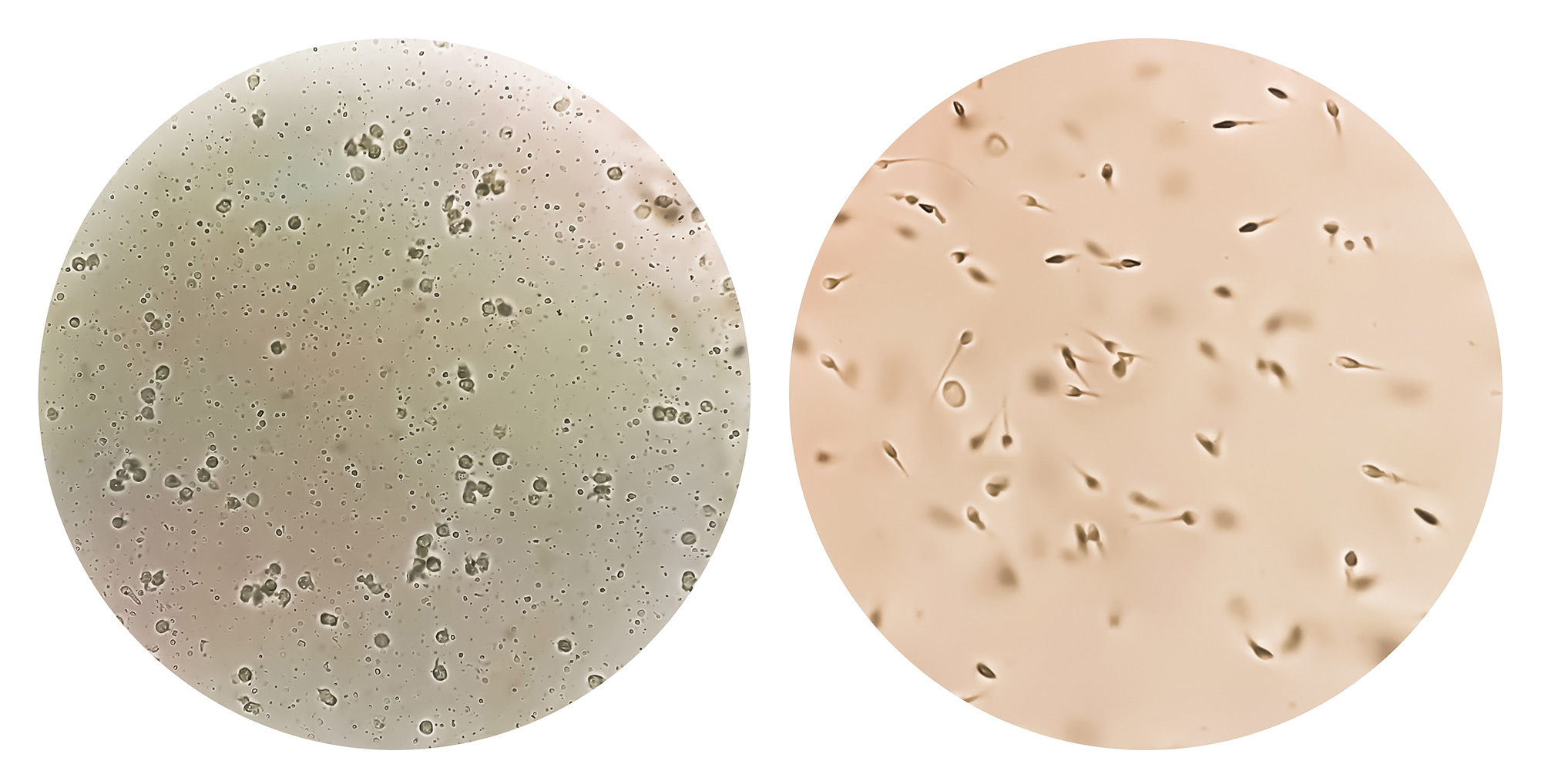
Before a vasectomy, sperm travels from the testicles through the vas deferens to mix with seminal fluid before ejaculation.
What Changes After a Vasectomy?
A vasectomy works by sealing the vas deferens, which prevents sperm from travelling from the testicles to the urethra. Sperm production after vasectomy continues exactly as before, but the pathway that allows sperm to leave the body is interrupted. As a result, sperm can no longer mix with semen during ejaculation.
Importantly, a vasectomy does not affect testosterone levels, sexual drive, erections, or orgasm. Most of the fluid released during ejaculation comes from the prostate and seminal vesicles rather than sperm itself, which means semen usually looks and feels the same even though sperm is no longer present.
Where Does Sperm Go After a Vasectomy?
After a vasectomy, sperm remains within the epididymis instead of travelling through the vas deferens. Rather than building up, the body naturally breaks down and reabsorbs the unused sperm through the lining of the epididymis. This is a normal biological process that happens quietly and continuously in the background.
Sperm after a vasectomy does not accumulate or cause long-term pressure because the body is designed to recycle cells that are no longer needed. The absorbed sperm is safely processed and removed, allowing sperm production to continue without causing problems or discomfort for most men.
After

After a vasectomy, the vas deferens is blocked so sperm can no longer reach the semen and is naturally reabsorbed by the body.
Why the Body Can Safely Absorb Sperm
The body regularly removes and replaces cells as part of normal maintenance, and sperm is no different. Even without a vasectomy, sperm that is not ejaculated eventually breaks down and is naturally absorbed. This means the body already has built-in mechanisms for managing unused sperm long before any procedure takes place.
After a vasectomy, the same process continues, with the only difference being that sperm remains within the reproductive system rather than leaving the body. Because this recycling system is natural and ongoing, it does not interfere with hormone production or sexual function, which helps explain why most men feel physically unchanged after the procedure.
Open-Ended Vasectomy and Sperm Drainage
At Gentle Procedures, we use the open-ended vasectomy technique. This means the end of the vas deferens closest to the testicle is left open while the end leading toward the penis is sealed, allowing sperm to disperse naturally while still preventing it from entering the semen.
The open-ended vasectomy supports the body’s natural way of managing sperm and may help reduce pressure within the system during healing. With this approach, sperm continues to be safely absorbed by the body, allowing sperm production to carry on normally after the procedure.
Final Thoughts
So, what happens to sperm after vasectomy? The body continues to produce sperm as normal, but instead of travelling through the reproductive tract, it is naturally broken down and reabsorbed. This is a routine biological process that occurs safely and does not affect sexual function, hormone levels, or overall wellbeing.
Understanding where sperm goes after a vasectomy helps remove uncertainty and makes the procedure easier to understand from a biological perspective. Once the pathway is blocked, the body simply adapts by managing sperm in a natural and efficient way.
If you have any questions about sperm after vasectomy or want personalised advice about the procedure, please contact us today. Our team is always happy to provide clear, straightforward guidance so you can feel informed and confident about your next step.
Book Your No-Scalpel Vasectomy in Sydney
If you’re ready to explore your options for permanent male contraception, a no-scalpel vasectomy may be the solution you’ve been looking for. With fewer complications, a faster recovery and no stitches, it’s a modern approach to a time-tested procedure.
Book online now or call (02) 9248 0118 to speak with our team.
No referral. No pressure. Just professional, personalised care.
FAQs
Does Sperm Build Up After a Vasectomy?
No, sperm does not build up after a vasectomy because the body naturally breaks down and reabsorbs unused sperm. This prevents pressure from developing and allows sperm production to continue safely in the background.
Is Sperm Still Produced After a Vasectomy?
Yes, sperm is still produced after a vasectomy as the testicles continue functioning normally. The difference is that sperm can no longer travel through the vas deferens to become part of the semen.
Does a Vasectomy Change Ejaculation?
Most men notice little or no change in ejaculation after a vasectomy, as sperm makes up only a small portion of semen. Sensation, orgasm and the overall appearance of ejaculation usually remain the same.
Can Sperm Cause Pain After a Vasectomy?
In most cases, sperm does not cause pain after a vasectomy because it is naturally absorbed by the body. Some temporary discomfort may occur during healing, but ongoing pain is uncommon.
Where is Sperm Stored After a Vasectomy?
After a vasectomy, sperm remains in the epididymis rather than travelling through the reproductive tract. Over time, it is gradually broken down and reabsorbed as part of the body’s normal processes.
Why Sperm Does Not Build Up After a Vasectomy?
A common concern after a vasectomy is whether sperm builds up inside the body and causes pressure or long-term problems. In reality, sperm production continues as normal, but the body is designed to manage unused sperm naturally. The epididymis gradually breaks down older sperm cells, and they are safely reabsorbed without causing harm.
This process happens continuously, even before a vasectomy, whenever sperm is not ejaculated. After the procedure, the same system simply continues in the background, which is why sperm does not “back up” or create dangerous pressure for most men.
Does This Affect Recovery After a Vasectomy?
During early recovery, some men notice mild swelling, tenderness or a dull ache around the treatment area, but this is usually related to normal healing rather than sperm itself. The body’s natural sperm reabsorption process does not interfere with hormone levels, sexual function or long-term health.
Following proper aftercare advice during recovery helps reduce temporary discomfort and supports smooth healing. Most men return to normal activities quickly, with no ongoing issues related to sperm production after vasectomy.