
Understanding how vasectomy affects hormones, testosterone and long-term men’s health
Concerns about hormones are common when men start researching vasectomy. Testosterone plays an important role in energy, mood, libido and overall wellbeing, so it makes sense that many people want clear answers about whether the procedure could affect hormone levels.
So does a vasectomy reduce testosterone levels? In this blog, we explain what medical evidence shows, how testosterone is produced and why a vasectomy does not interfere with hormone function, helping you understand the facts behind a common men’s health concern.
Does a Vasectomy Reduce Testosterone Levels?
The short answer is no, a vasectomy does not reduce testosterone levels. A vasectomy blocks the vas deferens, which carries sperm, but it does not interfere with the structures responsible for producing hormones. Testosterone continues to be released into the bloodstream exactly as it was before the procedure.
Research looking at testosterone after vasectomy consistently shows that hormone levels remain stable over time. Men do not experience hormone decline as a direct result of vasectomy, and there is no reliable evidence linking the procedure to low testosterone or long-term hormonal imbalance.
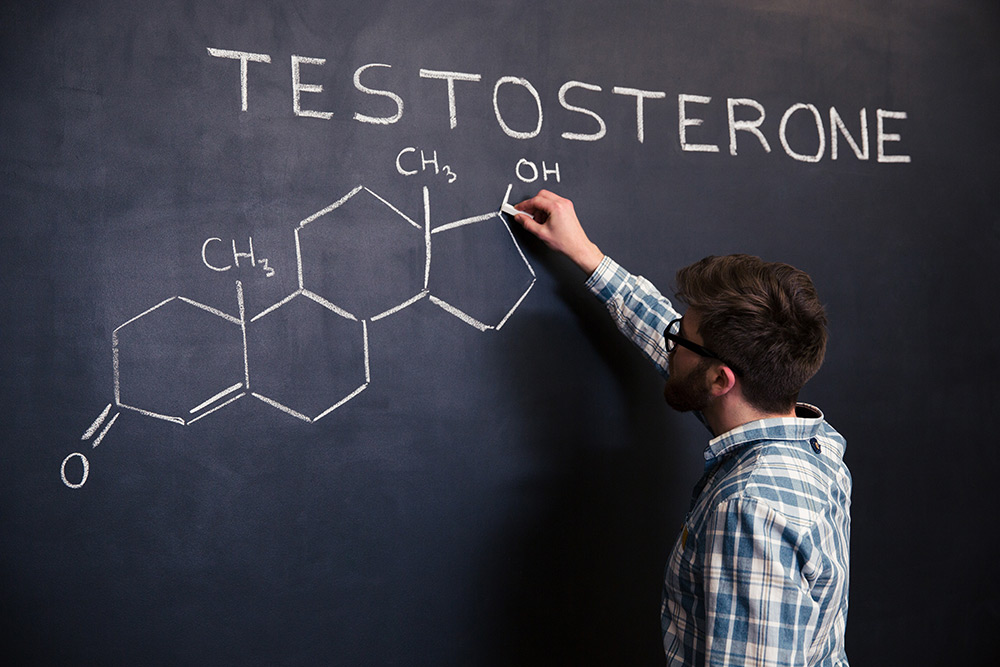
Testosterone is produced inside the testicles and released directly into the bloodstream, which is why a vasectomy does not affect hormone levels.
How Testosterone Is Produced in the Body
Testosterone is produced inside the testicles by specialised cells that respond to hormonal signals from the brain. This process is controlled by a complex feedback system involving the pituitary gland and bloodstream, allowing hormone levels to be regulated continuously throughout adult life.
Importantly, testosterone production is separate from sperm transport. While sperm travels through the vas deferens, testosterone enters the bloodstream directly, which means blocking the sperm pathway during vasectomy does not interfere with hormone production or normal male hormonal function.
What a Vasectomy Actually Changes
A vasectomy changes only one part of the reproductive system, the pathway that allows sperm to travel from the testicles to the urethra. Sperm production continues as normal, but sperm can no longer mix with semen during ejaculation. This is why the procedure works as a form of permanent contraception.
What it does not change is equally important. Blood flow, hormone signalling and testosterone production remain unaffected because the hormone-producing parts of the testicles are left completely intact. From a hormonal perspective, the body continues functioning exactly as it did before.
Why Some Men Think Testosterone Changes After Vasectomy
Some men notice changes in energy, mood, or sexual drive later in life and naturally look for explanations. If these changes happen around the same time as a vasectomy, it can be easy to assume the procedure caused them, even though factors such as age, stress, sleep quality, weight and lifestyle are far more common causes.
There is also a psychological element to consider. When men expect hormonal changes, they may become more aware of normal fluctuations that would otherwise go unnoticed. This helps explain why myths about vasectomy and testosterone levels continue to circulate despite strong medical evidence showing hormones remain stable.
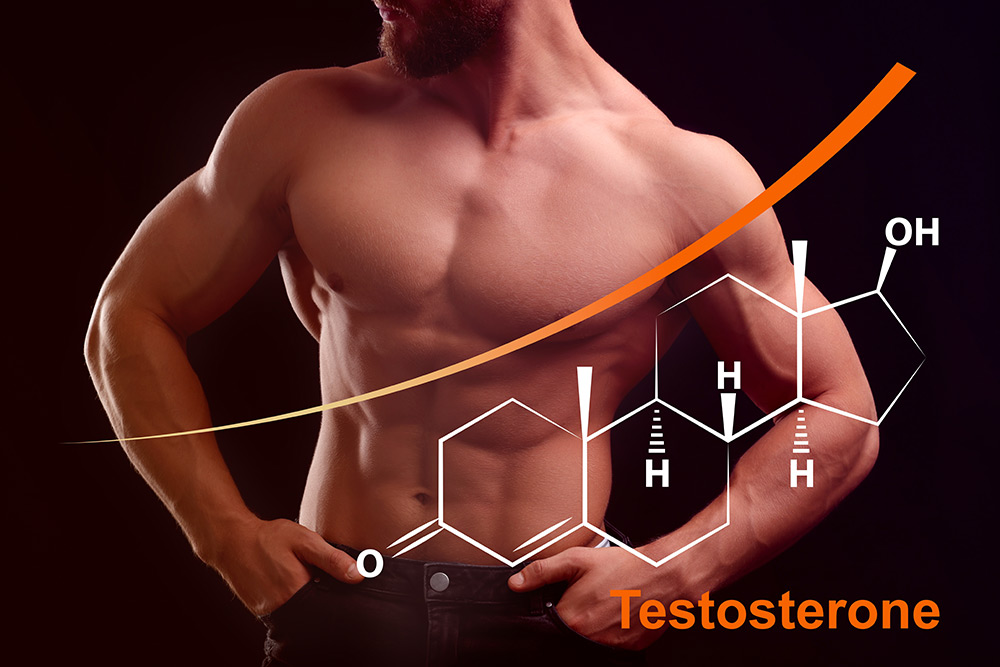
A vasectomy blocks sperm transport but does not interfere with the body’s hormone system or testosterone production.
Signs of Low Testosterone (And When to Get Checked)
Low testosterone is a genuine medical condition, but it develops for reasons unrelated to vasectomy. Understanding the symptoms can help men recognise when it may be worth seeking a proper medical assessment.
- Persistent fatigue: Ongoing low energy that does not improve with rest or lifestyle changes.
- Reduced libido: A noticeable drop in sexual interest or desire over time.
- Mood changes: Increased irritability, low mood, or reduced motivation.
- Loss of muscle mass: Difficulty maintaining strength or muscle despite normal activity.
- Reduced concentration: Feeling mentally foggy or struggling to focus consistently.
If these symptoms persist, a medical review and blood tests are the best way to determine whether hormone levels are involved and to rule out other health factors.
Final Thoughts
Can a vasectomy cause low testosterone? The evidence shows that it does not. Testosterone production continues normally after vasectomy because the procedure only blocks the sperm pathway and does not affect hormone-producing cells or blood supply to the testicles.
Understanding how testosterone works helps separate myth from fact and reassures men that vasectomy does not reduce testosterone levels or harm long-term hormonal health. If you have questions about testosterone after vasectomy or would like clear, professional advice, please contact us today, and our team will be happy to help.
Book Your No-Scalpel Vasectomy in Sydney
If you’re ready to explore your options for permanent male contraception, a no-scalpel vasectomy may be the solution you’ve been looking for. With fewer complications, a faster recovery and no stitches, it’s a modern approach to a time-tested procedure.
Book online now or call (02) 9248 0118 to speak with our team.
No referral. No pressure. Just professional, personalised care.
FAQs
Does a vasectomy reduce testosterone levels?
No, a vasectomy does not reduce testosterone levels because the procedure only blocks the sperm pathway and does not affect hormone production. Testosterone continues to be produced and released into the bloodstream as normal.
Can a vasectomy cause low testosterone?
There is no strong medical evidence showing that vasectomy causes low testosterone. Hormone levels remain stable after the procedure, and other factors, such as age, stress, or lifestyle, are more common causes of hormonal changes.
Does vasectomy affect hormones?
A vasectomy does not affect male hormone production because it does not interfere with blood flow or the cells that produce testosterone. The procedure only prevents sperm from travelling through the vas deferens.
Will my sex drive change after a vasectomy?
Most men do not experience changes in sex drive after a vasectomy because testosterone levels remain unchanged. Libido is influenced by many factors, but the procedure itself does not lower hormone levels.
Can a vasectomy cause fatigue or low energy?
Vasectomy is not linked to ongoing fatigue or low energy from a hormonal perspective. If these symptoms occur, they are more likely related to lifestyle, stress, sleep, or other health conditions rather than the procedure.
Does a vasectomy affect muscle mass or strength?
No, a vasectomy does not affect muscle mass or strength because testosterone production continues normally. Changes in fitness or body composition are usually related to ageing, activity levels, or diet.
Is testosterone production different after vasectomy?
Testosterone production remains the same after vasectomy since the hormone-producing parts of the testicles are untouched. The body continues to regulate hormone levels through the same natural processes.
Should I get my testosterone checked after a vasectomy?
Routine testosterone testing is not required after a vasectomy unless you have symptoms suggestive of low testosterone. If concerns arise, a doctor can arrange simple blood tests to assess hormone levels accurately.