
Why Low Sperm Count Is Not Always Obvious
Low sperm count is not usually something a man can identify just by how he feels, how his semen looks, or how his body functions sexually. Many men with a low sperm count have no obvious symptoms, which is why it often only becomes clear when a couple has difficulty conceiving or when a semen analysis is performed.
In this latest blog, we cover the common signs that may be linked with low sperm count, what can cause sperm numbers to be lower than expected and why testing is the only reliable way to know. We will also explain how sperm count relates to vasectomy, as both involve sperm in the semen but in very different ways.
What Is Low Sperm Count?
Low sperm count means there are fewer sperm than expected in a semen sample. Sperm count is usually assessed through semen analysis, which looks at the number of sperm present and may also assess other factors such as sperm movement, shape and semen volume.
Sperm count is only one part of male fertility. A man may have sperm present but still have difficulty conceiving if sperm movement is reduced, sperm quality is affected, or there are other reproductive factors involved. Fertility also depends on timing, ovulation, the female partner’s reproductive health and general health factors for both partners.
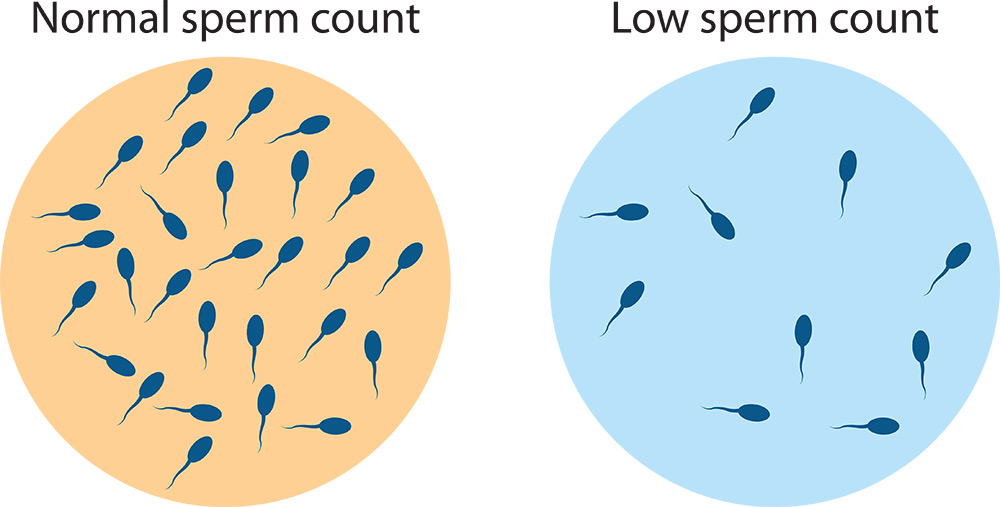
Low sperm count is not always obvious and may only become clear when a couple has difficulty conceiving.
Low Sperm Count Signs: What Might You Notice?
The most important thing to understand is that low sperm count often has no clear outward signs. Semen may look normal, erections may be normal, ejaculation may feel normal, and libido may be unchanged. When signs are present, they are often related to an underlying issue rather than the sperm count itself.
Possible signs or related concerns may include:
- Difficulty conceiving after trying for a period of time
- Lower sex drive if linked to hormonal changes
- Erectile or ejaculation difficulties
- Pain, swelling or a lump around the testicle
- Reduced facial or body hair if linked to hormone issues
- A history of testicular injury, surgery or infection
These signs do not automatically mean a man has a low sperm count. They simply suggest that further assessment may be worth considering, especially if pregnancy has not occurred after a period of trying or if there are symptoms involving the testicles, hormones, erections or ejaculation.
Can Semen Look Normal With Low Sperm Count?
Yes, semen can look normal even when sperm count is low. The amount, colour or thickness of semen does not reliably show how many sperm are present. Semen is made up of fluid from several glands, while sperm only make up one part of the overall sample.
This is why semen appearance is not a reliable way to assess fertility. A man can have normal-looking semen and still have a low sperm count, reduced sperm motility or other semen analysis findings that affect fertility. The only way to assess sperm count properly is through a semen analysis.
What Causes Low Sperm Count?
Low sperm count can have several possible causes, and sometimes more than one factor is involved. Some causes may be temporary, such as recent illness, fever, heat exposure or certain lifestyle factors, while others may relate to hormones, testicular health, medication use or underlying medical conditions.
Common causes or contributing factors can include:
- Varicocele, which is an enlarged vein around the testicle
- Hormonal issues affecting sperm production
- Testicular injury, infection or previous surgery
- Smoking, vaping, heavy alcohol use or recreational drug use
- Anabolic steroids or certain medications
- Frequent heat exposure around the testicles
- Being overweight or having some underlying medical conditions
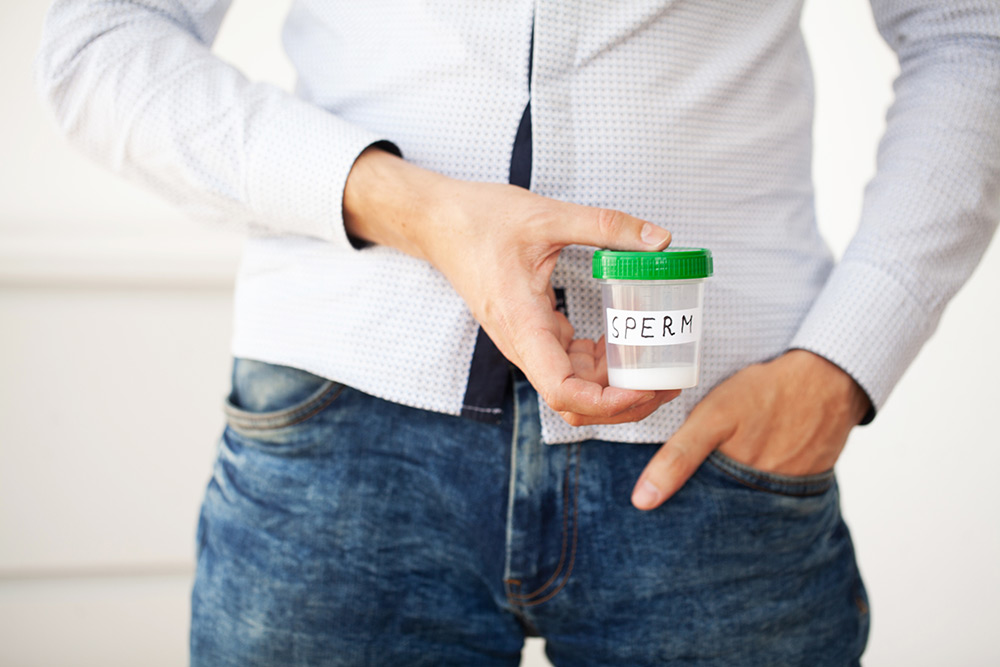
A semen analysis is the only reliable way to assess sperm count and understand whether fertility may be affected.
Low Sperm Count, Fertility and Pregnancy
Low sperm count can make pregnancy more difficult, but it does not always mean pregnancy is impossible. If sperm are still present in the semen, natural conception may still occur, although the chance can be reduced depending on the sperm count and whether other semen parameters are also affected.
This is why fertility concerns should be assessed properly rather than guessed from symptoms alone. A semen analysis can help identify whether sperm count, movement or other factors may be contributing to difficulty conceiving, and the result can guide the next step in seeking appropriate medical or fertility advice.
When Should You Consider a Semen Analysis?
A semen analysis may be worth considering if pregnancy has not occurred after trying for a period of time, particularly if there are known risk factors such as previous testicular surgery, injury, infection or hormonal symptoms. It may also be relevant if there are concerns about ejaculation, testicular pain, swelling, or a previous abnormal semen analysis.
Timing can depend on age, medical history and individual circumstances. Some couples seek advice after 12 months of trying to conceive, while others may be advised to seek assessment sooner if there are known fertility concerns or if the female partner is older. Your GP can help advise when testing is appropriate.
Sperm Count, Semen and Vasectomy
Low sperm count refers to the number of sperm found in a semen sample. Vasectomy relates to sperm in a different way. Rather than lowering sperm production, a vasectomy prevents sperm from travelling through the vas deferens and entering the semen once the procedure has worked.
This is why semen testing matters after a vasectomy. The test checks whether sperm are still present in the semen after the procedure. For men who are certain they do not want children or do not want any more children, a vasectomy is the most effective form of permanent contraception for men because it stops sperm from being part of the ejaculate.
Getting Clear Answers About Low Sperm Count
Low sperm count is not always obvious, and it cannot be confirmed by appearance, sexual performance or guesswork. Semen analysis is the only reliable way to assess sperm count and understand whether it may be affecting fertility.
For men who are trying to conceive, low sperm count concerns should be discussed with an appropriate medical professional or fertility provider. For men who are certain they do not want children or do not want any more children, a vasectomy is a separate decision focused on permanent contraception rather than fertility assessment.
Book Your No-Scalpel Vasectomy in Sydney
If you’re ready to explore your options for permanent male contraception, a no-scalpel vasectomy may be the solution you’ve been looking for. With fewer complications, a faster recovery and no stitches, it’s a modern approach to a time-tested procedure.
Book online now or call (02) 9248 0118 to speak with our team.
No referral. No pressure. Just professional, personalised care.
FAQs
Can low sperm count be temporary?
Yes, low sperm count can sometimes be temporary. Illness, fever, heat exposure, lifestyle factors, medication or recent stress on the body may affect sperm production for a period of time. Repeat testing may be recommended in some cases to see whether the result changes.
Can low sperm count improve naturally?
Low sperm count may improve if it is linked to a changeable factor such as smoking, heavy alcohol use, heat exposure, weight, recent illness or certain medications. However, not all causes can be improved naturally, so medical advice is important if fertility is a concern.
Does low sperm count affect sex drive?
Low sperm count itself does not necessarily affect sex drive. Some men with low sperm count have normal libido, erections and ejaculation. If low sex drive is also present, it may be related to hormones, stress, general health or another underlying issue.
Can you still get pregnant with a low sperm count?
Yes, pregnancy can still happen with low sperm count if sperm are present in the semen. A lower sperm count may reduce the chance of conception, but it does not always mean pregnancy is impossible. Fertility depends on several factors, not sperm count alone.
Does vasectomy affect sperm count?
A vasectomy does not lower sperm production. Instead, it prevents sperm from entering the semen once the procedure has worked. The body continues to produce sperm, but they are naturally reabsorbed rather than leaving the body during ejaculation.