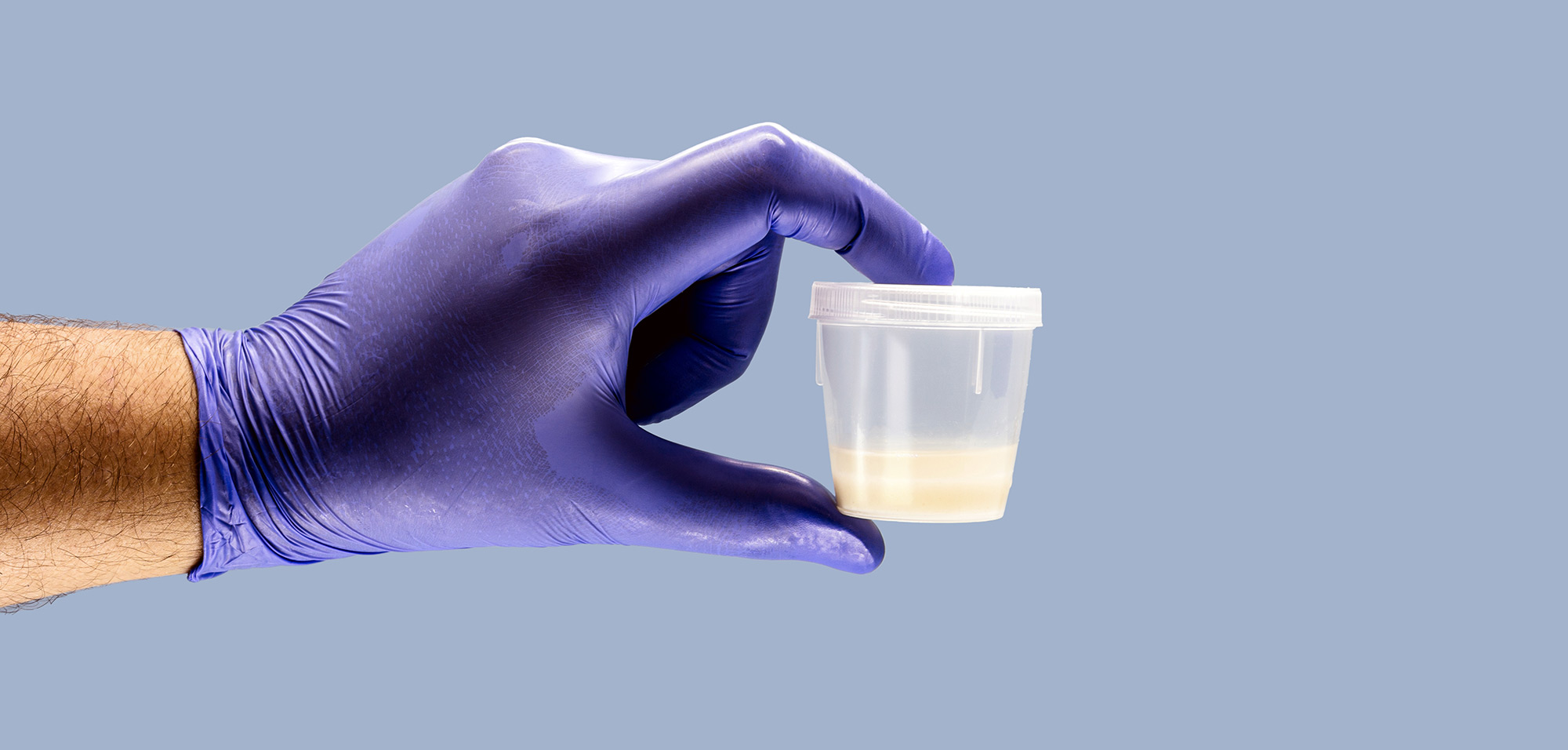
Understanding Normal Semen Appearance Before and After Vasectomy
When considering a vasectomy procedure, it is natural to question whether anything about ejaculation will look different afterwards. One of the most common concerns relates to appearance, particularly ‘What colour should semen be?’ and whether that changes once sperm are no longer present in the semen.
In reality, the procedure does not affect the visible appearance of semen. To understand why, it is important to know what semen is made of and what the procedure actually changes. This article explains what determines normal semen appearance, what remains the same after vasectomy and when a change in colour should not be ignored.
What Colour Should Semen Be?
In healthy men, semen is typically whitish or off-white in colour. It may also appear slightly grey or faintly yellow. These variations fall within the normal range and are influenced by factors such as hydration, frequency of ejaculation and overall health.
Semen should generally appear pale and milky rather than bright, dark, or strongly discoloured. Minor differences from one occasion to another are common and rarely significant on their own. It is consistency over time and the presence of additional symptoms that determine whether further assessment is necessary.

Understanding what colour semen should be helps distinguish normal variation from changes that may require medical assessment.
What Determines Semen Colour?
Sperm account for only a small proportion of total semen volume, usually around 2 to 5%. The majority of semen consists of fluid produced by the seminal vesicles and the prostate gland.
These glandular fluids provide nutrients and protection for sperm and are responsible for the texture and visible appearance of semen. Since they form almost all of the ejaculate, they determine its colour.
A vasectomy prevents sperm from entering the semen but does not affect the glands that produce seminal fluid, which is why the outward appearance remains unchanged.
Does A Vasectomy Change Semen Colour?
A vasectomy does not change semen colour. Since sperm contribute only a small fraction of the total volume, their absence does not significantly alter the appearance of semen.
After the procedure, semen should continue to appear whitish, slightly grey, or faintly yellow. There is no meaningful visual difference for most men, and ejaculation does not become clear or noticeably reduced in volume. The change occurs at a microscopic level rather than in visible appearance. It can also be common to have some blood in your ejaculate or pink colour for up to 4 weeks after a vasectomy.
It is also important to understand that sterility is not immediate. Sperm can remain in the reproductive tract for several weeks, which is why a follow-up semen analysis is required before relying on the procedure for contraception. Throughout this period, semen appearance remains normal.
What Actually Changes After A Vasectomy?
Although semen colour and texture remain the same, a vasectomy creates a clear and defined change in reproductive function. Once clearance has been confirmed through semen analysis, sperm are no longer present in the ejaculate. This prevents fertilisation while preserving normal sexual function and the visible characteristics of ejaculation.
The body continues to produce sperm after the procedure, but they are naturally broken down and reabsorbed. Testosterone levels, libido, erections and orgasm are unaffected. The procedure alters fertility only, not performance, sensation, or outward appearance.
When Should You Be Concerned About Semen Colour?
Most variation in semen colour is harmless and falls within the normal physiological range. However, persistent or significant changes may indicate inflammation, infection, or another underlying issue, particularly if they occur alongside discomfort, urinary symptoms, or systemic signs such as fever.
It’s important to note that temporary traces of blood can occasionally appear during early recovery after vasectomy, but ongoing or worsening changes should not be ignored. Medical advice should be sought if you notice any of the following:
- Red or pink semen
- Brown discolouration that persists
- Green semen, especially with pain or fever
- Persistent burning, swelling, or urinary symptoms
- Ongoing discomfort after vasectomy that does not improve
Final Thoughts
A vasectomy does not change semen colour. In healthy men, semen should remain whitish, off-white, slightly grey, or faintly yellow, both before and after the procedure. As sperm account for only a small proportion of total volume, their absence does not alter the visible appearance of ejaculation.
If you are concerned about a change in semen colour or if you have questions about what to expect before or after a vasectomy, it is important to seek reliable medical advice. If something does not feel right or if you would like clarification about your recovery or long-term results, please contact the clinic for further guidance and assessment.
Book Your No-Scalpel Vasectomy in Sydney
If you’re ready to explore your options for permanent male contraception, a no-scalpel vasectomy may be the solution you’ve been looking for. With fewer complications, a faster recovery and no stitches, it’s a modern approach to a time-tested procedure.
Book online now or call (02) 9248 0118 to speak with our team.
No referral. No pressure. Just professional, personalised care.
FAQs
What colour should semen be after a vasectomy?
Semen should typically remain whitish, off-white, slightly grey, or faintly yellow after a vasectomy. The procedure does not alter semen colour because sperm account for only a small proportion of total semen volume.
Can semen look different immediately after a vasectomy?
In the first few weeks after a vasectomy, semen may occasionally contain small traces of blood as part of normal healing. This usually resolves on its own. If discolouration persists or worsens, medical review is recommended.
Does a vasectomy make semen clear or watery?
A vasectomy does not make semen clear. As the glands that produce seminal fluid continue to function normally, the appearance of ejaculation remains largely unchanged. Variations in thickness are more commonly related to hydration or frequency of ejaculation.
Why does semen sometimes look slightly yellow?
A faint yellow tint can occur naturally, particularly if ejaculation has not occurred for some time. Mild dietary factors or minor variations in fluid concentration can also influence colour. Persistent bright yellow or green discolouration should be assessed.
How long does it take for semen to be sperm-free after a vasectomy?
Sperm may remain in the reproductive tract for several weeks after the procedure. A follow-up semen analysis is required to confirm that no sperm are present before relying on vasectomy for contraception.
Is blood in semen normal after a vasectomy?
Small amounts of blood can occasionally appear in semen during early recovery. This typically resolves without treatment. Ongoing bleeding, increasing pain, or associated symptoms should be evaluated by a clinician.
Can semen colour indicate infection?
Yes. Green discolouration, strong odour, pain during ejaculation, fever, or urinary symptoms may indicate infection. These symptoms warrant prompt medical assessment.
Should I be concerned if semen colour changes months after vasectomy?
A change in semen colour months or years after vasectomy is unlikely to be related to the procedure itself. Persistent or unusual discolouration should be assessed to rule out infection, inflammation, or other underlying causes.